
Rest as Resistance
We live in a culture that treats exhaustion as a badge of honour. Busyness signals importance. Rest signals weakness. Into this world, God speaks a radical word: Stop.
The fourth commandment is the longest of the ten. God did not just say "rest" — He modelled it, blessed it, and sanctified it (Genesis 2:2–3). The Sabbath is not a burden imposed on humanity; it is a gift woven into the fabric of creation itself.
"The Sabbath was made for man, not man for the Sabbath." — Mark 2:27
Why Saturday?
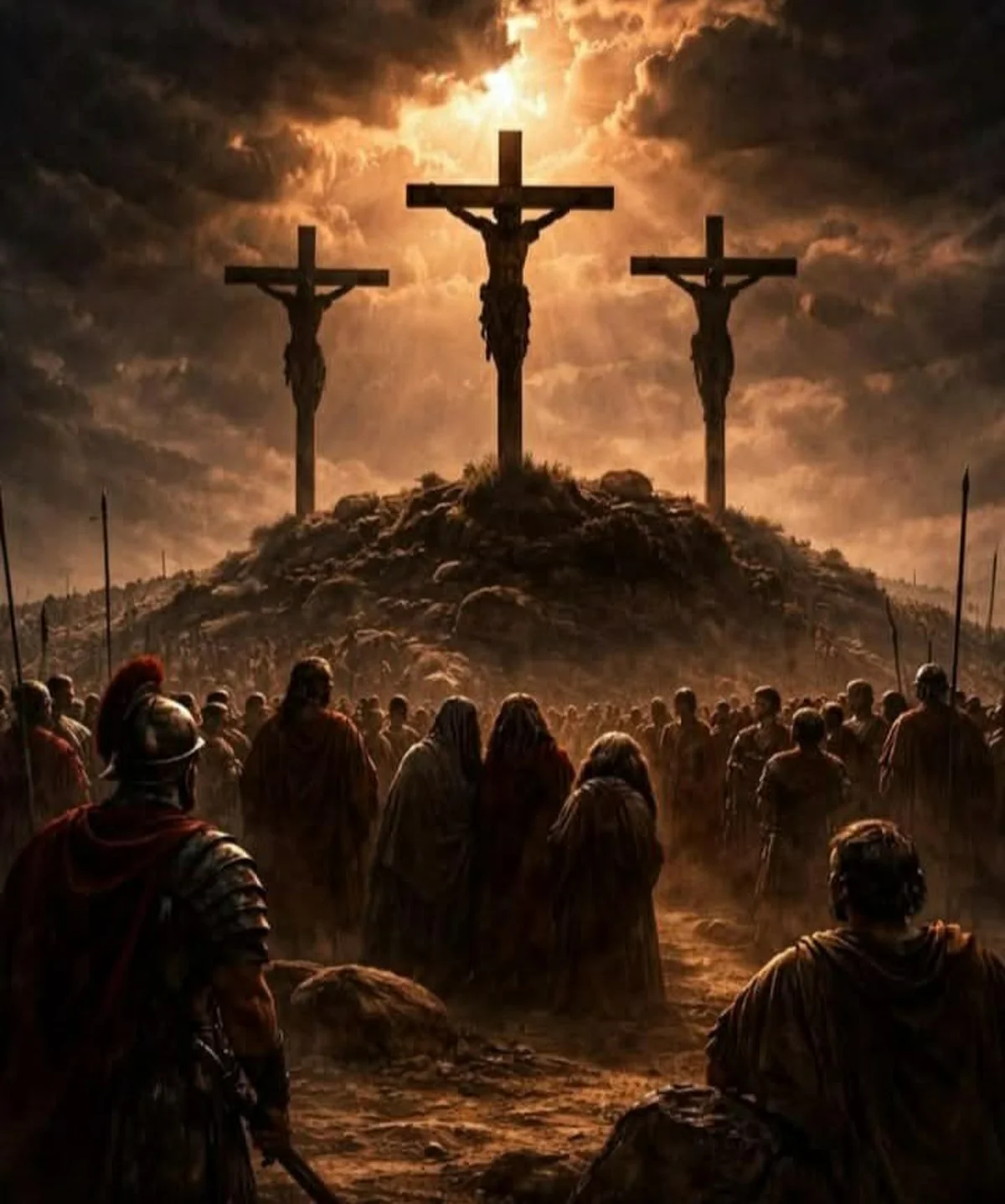
Seventh-day Adventists observe the Sabbath from Friday sundown to Saturday sundown, following the biblical pattern of "evening and morning" (Genesis 1). This is not tradition — it is the unbroken thread from Eden to Sinai to the early church. Jesus kept the Sabbath (Luke 4:16). The disciples rested on the Sabbath after the crucifixion (Luke 23:56). There is no biblical record of a change to Sunday worship.
What Sabbath-Keeping Looks Like
- Preparation: Friday is a day of preparation — cooking, cleaning, settling unfinished business — so that sundown brings genuine rest, not scrambling.
- Worship: Corporate worship on Sabbath morning is not optional. Hebrews 10:25 warns against forsaking the assembly. We need each other.
- Nature: Adventists have long understood that spending Sabbath afternoon in creation — walking, sitting under trees, watching the sky — is itself a form of worship.
- Delight: Isaiah 58:13 calls the Sabbath a "delight." If your Sabbath feels like a list of prohibitions, you have missed the point.
The Eschatological Dimension
The Sabbath is also prophetic. Hebrews 4 speaks of a coming "Sabbath rest for the people of God." Every weekly Sabbath is a rehearsal for eternity — a foretaste of the rest that awaits when Christ returns. We rest now because we trust that God holds the future.
This week, as sundown approaches on Friday, light a candle, set the table, and welcome the Sabbath. Let the world rush past. You have somewhere better to be.