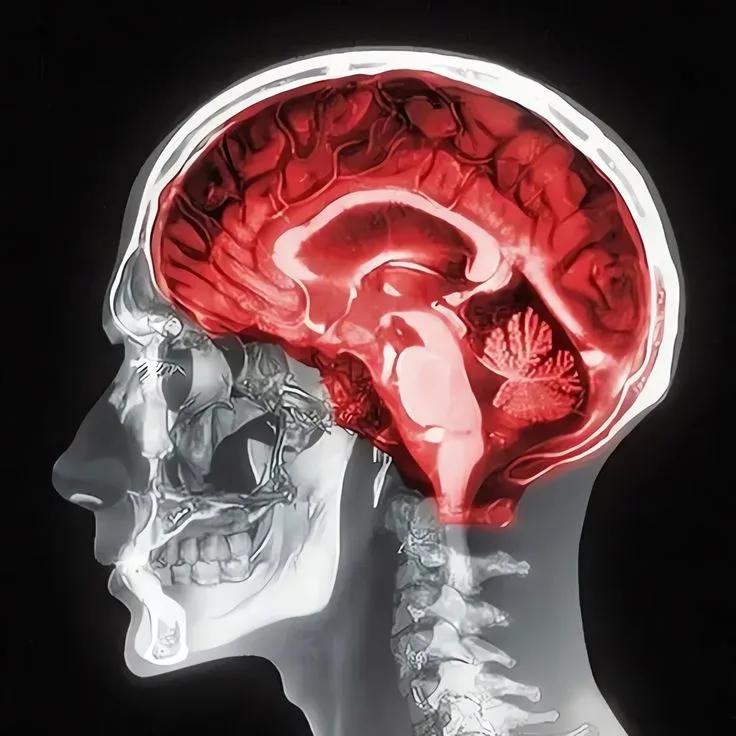
You have decided to fast.
Not the sunrise-to-sunset kind. Not the skip-breakfast Daniel fast. Not the three-day juice cleanse your colleague at work keeps recommending.
Forty days.
No food.
Water only.
You tell one person your prayer partner and you go into your room and you close the door and you begin.
What you do not know yet what nobody fully prepares you for when they talk about extended fasting in spiritual terms is what is about to happen inside your body. Not spiritually. Physically. At the cellular level. Inside your organs, your bloodstream, your brain, your muscles, your bones.
Because while your spirit is ascending while the prayer gets deeper and the silence gets richer and the presence of God becomes more tangible with every passing day your body is going through one of the most dramatic, systematic, physiologically complex transformations that a human being can survive.
It starts within hours of your last meal.
It does not stop until you eat again.
And understanding every stage of what your body does every hormone that fires, every organ that shifts its function, every reserve that gets depleted and every mechanism that kicks in to replace it will change the way you understand every Biblical account of extended fasting you have ever read.
This is your body on forty days.
Let us go through every single hour of it.
First — What Your Body Looks Like Before You Begin
To understand what fasting does to your body you need to understand what your body does when it is fed.
You are a healthy adult. Your body runs on a primary fuel called glucose a simple sugar derived from the digestion of carbohydrates. Bread, rice, ugali, fruit, legumes everything you eat that contains carbohydrate eventually becomes glucose in your bloodstream.
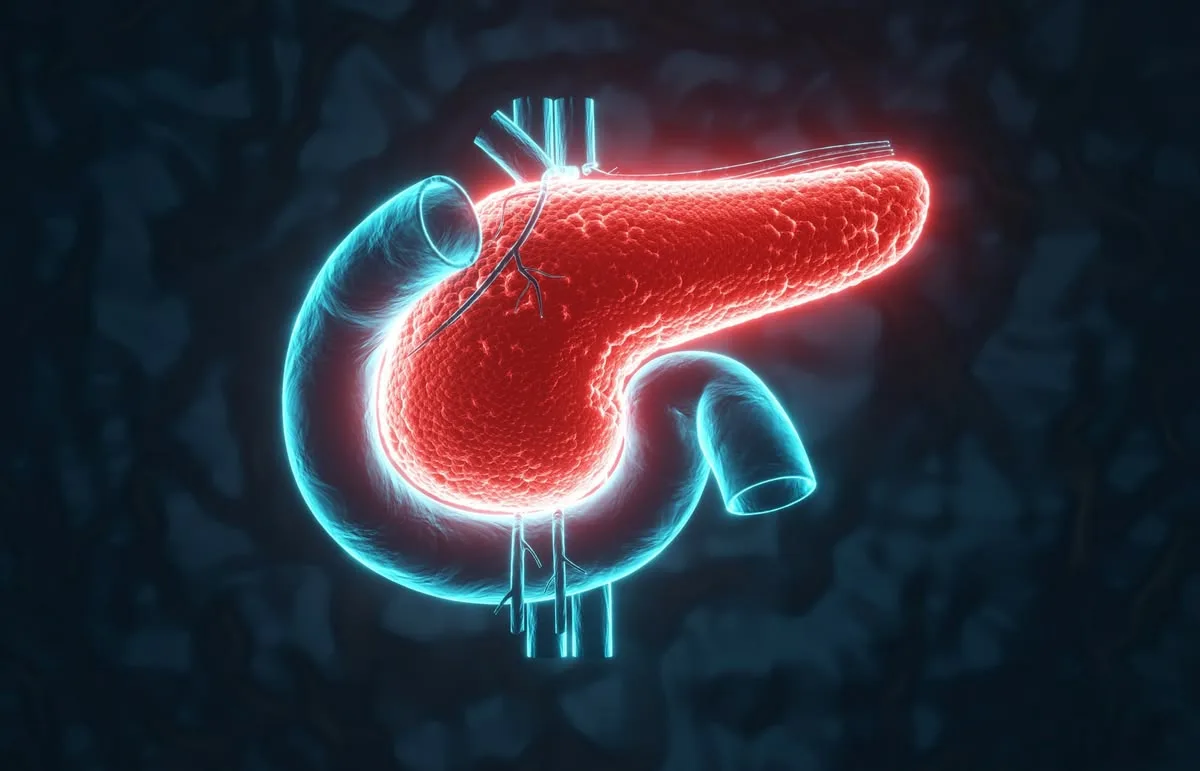
When glucose enters your bloodstream after a meal, your pancreas a glandular organ sitting horizontally behind your stomach, about 15 centimetres long, pale pink, with a texture somewhere between firm custard and wet sand — detects the rise in blood sugar and releases a hormone called insulin from specialised cells called the beta cells of the islets of Langerhans.
Insulin is essentially a key. It unlocks the doors of your cells and allows glucose to enter and be burned for energy. Whatever glucose your cells do not immediately need is converted by your liver into a compact storage form called glycogen and packed away — approximately 100 grams stored in the liver itself, another 300 to 400 grams distributed throughout your skeletal muscles.
Think of glycogen as your body's emergency battery. Fully charged. Ready to go.
You have been eating well. Your battery is full.
The fast begins.
Hours 0 to 6 — The Post-Absorptive Phase
Your body begins quietly shifting gears
Organs involved: Pancreas, Liver, Small intestine, Blood vessels
In the first six hours after your last meal your body enters what physiologists call the post-absorptive state. Digestion is complete. Your small intestine — a six-metre coiled tube lined with millions of tiny finger-like projections called villi that absorb nutrients through their walls — has delivered its last batch of glucose to your bloodstream.
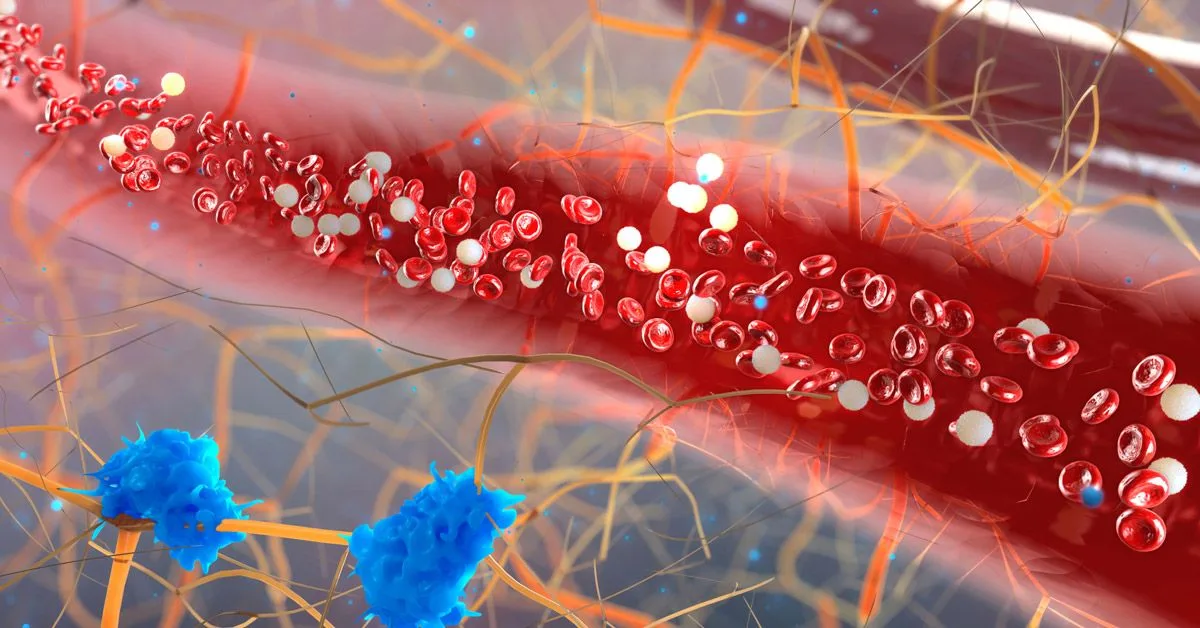
Blood glucose levels begin to fall.
Your pancreas detects this drop and does two things simultaneously.
First, it reduces insulin production there is less glucose to move, so less key is needed. Second, it activates a different set of cells the alpha cells of the islets of Langerhans which release a counter-hormone called glucagon. Glucagon is insulin's mirror image. Where insulin tells your cells to store energy, glucagon tells your liver to release it.
Glucagon travels through a large blood vessel called the portal vein directly to your liver and delivers one clear instruction: start releasing fuel.
The liver responds by breaking down its glycogen stores a process called glycogenolysis and releasing glucose back into your bloodstream. This happens automatically. You feel nothing. There is no sensation, no signal, no alert. Your body is managing itself with extraordinary elegance behind the scenes.
Your brain which consumes approximately 20% of your total body energy despite representing only 2% of your body weight, and which runs almost exclusively on glucose — continues functioning perfectly.
You feel fine.
You feel almost nothing different at all.
This is deceptive. The machinery underneath is already shifting.
Hours 6 to 24 — The First Day
The glycogen battery starts draining
Organs involved: Liver, Skeletal muscles, Adrenal glands, Kidneys, Fat cells
As your first day of fasting progresses your liver glycogen is depleting steadily. Your muscles, meanwhile, have been drawing on their own glycogen stores for any physical movement — walking, sitting upright, any muscular activity at all.
Your adrenal glands — two small triangular glands sitting like caps on top of each kidney, weighing only about five grams each but carrying enormous hormonal authority — begin releasing two critical hormones: cortisol and epinephrine (adrenaline).
These are your body's survival hormones. They serve a clear function here: signal every non-essential tissue to reduce glucose consumption and direct available fuel toward the organs that need it most — primarily your brain.
Cortisol begins stimulating a process in the liver called gluconeogenesis — literally translated from Latin as the creation of new glucose. Your liver starts manufacturing glucose from scratch using non-carbohydrate raw materials: amino acids harvested from protein breakdown, and glycerol released by the first stages of fat breakdown.
Your fat cells — medically called adipocytes, distributed throughout the subcutaneous tissue beneath your skin and around your internal organs in deposits called visceral adipose tissue — begin receiving chemical signals to release their stored energy. This process is called lipolysis.
Inside each adipocyte, fat molecules called triglycerides are broken apart by an enzyme called hormone-sensitive lipase. This enzyme, activated by the glucagon and adrenaline now circulating in your blood, splits each triglyceride into one molecule of glycerol and three molecules of free fatty acids. Both are released into your bloodstream.
Your blood at eighteen hours into your fast, if you could examine it under a microscope, would show elevated levels of circulating free fatty acids — your body's fat reserves, now mobile, travelling through your arteries and veins toward the tissues that will burn them.
You are becoming a different kind of machine.
You may feel mild hunger at this point. Your stomach contracts. This is normal. This is your body being surprised.
Days 2 and 3 — The Hardest Days of the Entire Fast
The hunger peak. The metabolic valley. The moment most people stop.
Organs involved: Hypothalamus, Stomach, Small intestine, Liver, Brain, Adrenal glands
Brace yourself for days two and three.
These are the hardest days of the entire forty. Not day thirty. Not day thirty-eight. Days two and three. And understanding why they are the hardest will help you survive them.
Your liver glycogen is nearly gone. Your body is running increasingly on fat-derived fuels but the conversion system is not yet fully efficient. Your blood glucose is lower than your body is comfortable with. And your brain which has been running on glucose its entire life and has never been asked to switch fuels before is beginning to register the deficit.
The hypothalamus responds.
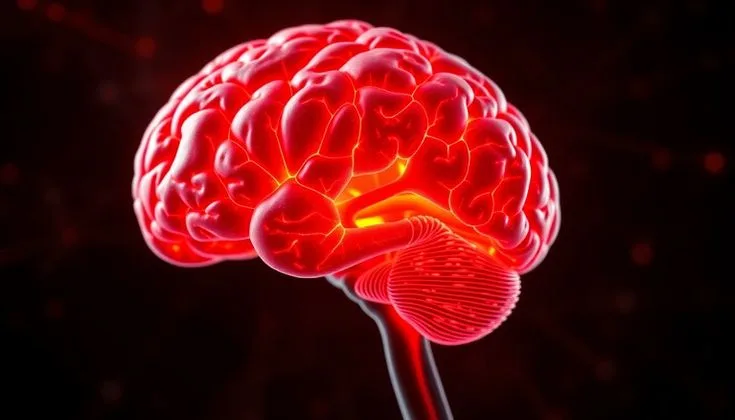
Your hypothalamus is a small but extraordinarily powerful region of your brain located just above your brainstem, roughly the size of an almond, sitting at the base of the forebrain just below the thalamus. It regulates your body temperature, your sleep-wake cycle, your hormonal cascades, your thirst, your fear response — and your hunger.
Right now it is generating a hunger signal unlike anything you have felt before.
Here is exactly how it does it.
Specialised cells lining the fundus the upper curved portion of your stomach — are releasing a hormone called ghrelin into your bloodstream. Ghrelin is the hunger hormone. It travels through your circulatory system to your hypothalamus and activates a specific cluster of neurons called the arcuate nucleus a dense collection of nerve cells sitting deep in hypothalamic tissue that serves as the primary hunger control centre.
The arcuate nucleus does two things when ghrelin activates it. It switches on neurons that release neuropeptide Y and agouti-related peptide two powerful hunger-stimulating signals. Simultaneously it switches off neurons that would normally produce satiety signals. The result is a pure, unfiltered, biologically imperative hunger that your willpower is fighting directly.
This is not weakness. This is biochemistry.
Your stomach is contracting in a rhythmic pattern called the migrating motor complex wavelike muscular contractions that move along the length of your gastrointestinal tract every 90 minutes or so when the stomach is empty, producing the growling sounds you can feel as well as hear. These contractions served an evolutionary purpose: they clear residual food from the gut between meals. After two days without food they are running continuously on an empty track.
Your blood pressure has dropped slightly. Your heart rate has reduced by several beats per minute. You feel lightheaded when you stand up quickly this is called orthostatic hypotension, caused by insufficient blood pressure to maintain adequate cerebral blood flow against gravity when you change position.
You have a headache. This is primarily caused by two things simultaneously: mild dehydration because the glycogen in your muscles binds water and its breakdown releases that water, causing increased urinary output in the first days; and the beginning of caffeine withdrawal if you normally consume tea or coffee.
You are exhausted and yet strangely unable to sleep deeply.
Meanwhile and this is happening without you feeling it at all your liver has significantly increased its production of compounds called ketone bodies.
Ketone bodies are produced when the liver processes the large quantities of free fatty acids now flooding in from your fat tissue. Three specific ketones are produced: acetoacetate, beta-hydroxybutyrate, and acetone. The acetone is the one that eventually gives the breath of a long-term faster its distinctive sweet, slightly chemical odour it is exhaled through the lungs.
Beta-hydroxybutyrate and acetoacetate are the ones that matter metabolically. They are an alternative fuel. They are smaller molecules than glucose, more efficiently packaged, and crucially they are capable of crossing the blood-brain barrier: the tight junction of specialised cells lining the brain's capillaries that normally prevents most substances in the bloodstream from entering brain tissue.
Your brain can burn ketones.
It does not know this yet. It has not had to. But the liver is producing them in increasing quantities and the brain will begin accepting them within the next twenty-four to forty-eight hours.
The transition period the gap between your glucose running out and your ketones ramping up is the valley of the fast.
Survive days two and three.
Everything changes on day four.
Days 4 to 7 — The First Week Closes
The ketogenic shift. The hunger softens. The body reorganises.
Organs involved: Liver, Adipose tissue, Brain, Thyroid gland, Kidneys, Cardiovascular system
Something has shifted.
By day four the liver has fully committed to ketogenesis the continuous production of ketone bodies from incoming free fatty acids. Blood levels of beta-hydroxybutyrate are rising steadily. Your brain, which has been expressing more monocarboxylate transporter proteins on the blood-brain barrier over the past forty-eight hours — essentially widening the channels through which ketones can cross into brain tissue — has begun accepting this alternative fuel with increasing efficiency.
The hunger signal softens.
Not disappears. Softens. The ghrelin levels that were making days two and three almost unbearable have begun to decline. Your hypothalamus has registered that food is genuinely not coming and has initiated a partial suppression of the hunger cascade — not because it is giving up but because sustained maximum-intensity hunger signalling is itself energetically expensive and the body is now in conservation mode.
What remains is a constant background awareness of emptiness. Present. Undeniable. But no longer overwhelming. Many people who have completed extended fasts describe this transition — from the acute torture of days two and three to the quieter, more manageable absence of days four and five — as the moment they knew they could continue.
Your thyroid gland a butterfly-shaped endocrine organ sitting against the front of your trachea in your neck, weighing approximately 25 grams, consisting of two lobes connected by a narrow band of tissue called the isthmus — has begun reducing its output of thyroid hormones, specifically triiodothyronine (T3) and thyroxine (T4).
Thyroid hormones regulate your basal metabolic rate — the speed at which your body burns energy at complete rest. By reducing thyroid output, your body is essentially lowering its idle speed. Burning fewer calories per hour. Extending the window of survival from whatever reserves remain.
Your kidneys two bean-shaped organs sitting against your posterior abdominal wall, each approximately 11 centimetres long, filtering your entire blood volume approximately forty times per day — are working harder than usual. The breakdown of fat and protein generates metabolic waste products that require filtration and excretion. Urea from protein catabolism. Ketone bodies from fat metabolism. Both leave through your urine, changing its colour, concentration, and smell significantly.
Your cardiovascular system has adapted measurably. Resting heart rate has dropped further. Blood pressure is lower. The sinoatrial node — a small cluster of specialised cardiac muscle cells in the upper right chamber of your heart, approximately one centimetre long, which generates the electrical impulse that triggers each heartbeat — is firing fewer times per minute. Your heart is doing less work per hour.
Paradoxically, neurologically, you are experiencing something unexpected.
You feel mentally clear.
Not comfortable. Not energetic. But mentally clear in a way that surprises you. The brain running on ketones produces less metabolic waste per unit of energy than the brain running on glucose. The mitochondria — the energy-generating structures inside your neurons — process ketones more cleanly. And the fasting state has elevated your levels of brain-derived neurotrophic factor (BDNF) — a protein that supports the health and growth of neurons and is associated with improved cognitive function, enhanced pattern recognition, and what researchers describe as a paradoxical sharpening of mental focus during caloric restriction.
Your body is running on its reserves.
Your mind is running more clearly than it has in years.
Days 8 to 14 — The Second Week
The fat-burning engine hits full capacity
Organs involved: Adipose tissue, Liver, Skeletal muscles, Bone marrow, Immune system
By the second week your body has become a remarkably efficient fat-burning machine.
Adipocytes throughout your body — in the subcutaneous layer beneath your skin, in the omentum (the fatty apron of tissue covering your abdominal organs), in the mesenteric fat surrounding your intestines, in the perinephric fat cushioning your kidneys — are releasing free fatty acids continuously.
The visual changes are beginning.
The subcutaneous fat that fills out the contours of the human face — padding the cheeks, smoothing the temples, softening the jaw — is being mobilised. You are becoming more angular. Your cheekbones are more prominent. Your jaw is more defined. The clothes that fit you a week ago are looser.
Your skeletal muscles — the large muscle groups including the quadriceps at the front of the thigh, the hamstrings at the back, the gluteus maximus of the buttocks, the latissimus dorsi spanning your mid-back, the pectoralis major across your chest — have shifted almost entirely to fat-derived fuel. They are conserving their own glycogen — what little remains — as emergency reserve.
But they are also beginning, slowly and reluctantly, to contribute protein.
Your body is profoundly reluctant to consume its own muscle tissue. It deploys fat preferentially and will continue to do so for as long as fat is available. But the brain and a handful of other tissues require a minimum level of glucose that ketones alone cannot fully replace. The liver must continue gluconeogenesis. And gluconeogenesis requires amino acids. And amino acids come from protein. And the largest protein reserve in the body is skeletal muscle.
The rate of muscle protein breakdown at this stage is still relatively low — your fat stores are still substantial and the body is drawing on them heavily. But it has begun.
Autophagy has accelerated significantly.
Autophagy is the cellular housekeeping process by which individual cells dismantle and recycle their own damaged or dysfunctional components. The word comes from Greek — autos (self) and phagein (to eat). Under normal fed conditions autophagy operates at a maintenance level. Under extended fasting it becomes a primary cellular process.
Inside each cell throughout your body in your liver cells, your muscle cells, your immune cells, your neurons damaged proteins that have been accumulating are being broken down. Dysfunctional mitochondria — the organelles inside each cell responsible for energy production, each with their own circular DNA distinct from the cell's nuclear DNA — are being disassembled through a specific form of autophagy called mitophagy and replaced by new, functional ones.
Your cells are repairing themselves at the molecular level.
2016 Nobel Prize in Physiology or Medicine was awarded specifically for the discovery of autophagy mechanisms. The scientific community now understands that extended fasting triggers one of the most profound cellular renewal processes available to the human body.
Your body on day fourteen is not simply starving.
It is rebuilding itself at the cellular level even while running on its reserves.
Days 15 to 21 — The Third Week
Deep adaptation. The silence inside the body deepens.
Organs involved: Digestive system, Immune system, Endocrine system, Nervous system
By the third week the digestive system has entered a profound state of rest.
Your stomach — a J-shaped muscular bag capable of holding approximately one litre of food, lined with a mucous membrane containing millions of gastric glands that normally produce hydrochloric acid, pepsin, and lipase to break down food — has reduced its secretory activity to near zero. The acid production is minimal. The enzyme production is minimal. The stomach is quiet.
Your small intestine — that six-metre coiled tube with its millions of absorptive villi — has downregulated its activity significantly. The enterocytes (intestinal lining cells) are still present and functioning but their absorptive machinery is in low-power mode. The intestinal microbiome — the approximately 100 trillion microorganisms living in your gut, collectively containing 150 times more genes than your own human genome — is shifting in composition. Species that thrive on dietary fibre are declining. Species adapted to mucosal secretions and fasting conditions are relatively more active.
Your immune system is undergoing measurable changes.
Neutrophils — the most numerous white blood cells, the first-responder immune cells that arrive at sites of infection or injury within minutes — are reduced in number. Your body is not producing them at normal rates because the bone marrow is conserving resources.
However — and this is one of the most counterintuitive findings in fasting research — certain aspects of immune function are enhanced. Regulatory T cells — immune cells that suppress excessive inflammatory responses — are more active in ketotic states. The pro-inflammatory signalling molecules called cytokines — particularly interleukin-6 and tumour necrosis factor alpha — are reduced. Your body in week three of a fast is, paradoxically, in a lower state of systemic inflammation than it was before you began.
Your nervous system is doing something remarkable.
The vagus nerve — the tenth cranial nerve, the longest nerve in your body, running from your brainstem through your neck, chest, and abdomen, carrying bidirectional signals between your brain and virtually every major organ including your heart, lungs, stomach, liver, kidneys, and large intestine — has shifted toward its parasympathetic mode.
The parasympathetic nervous system is the rest-and-digest, calm-and-connect branch of your autonomic nervous system. It is the physiological opposite of the fight-or-flight sympathetic system that dominates stressed, busy, overstimulated modern life.
Extended fasting pushes your entire physiological state toward deep parasympathetic dominance.
Your heart rate is slower. Your breathing is slower and deeper. Your muscles are relaxed. Your stress hormones, while elevated for gluconeogenesis purposes, are not generating the anxious, scattered mental state of sympathetic overdrive.
You are, in the truest physiological sense of the word, still.
The prayers you pray in week three have a different quality than the prayers you prayed in week one. Not because you are more holy. Because your nervous system is in a state that makes depth of attention physiologically easier than it has ever been in your ordinary daily life.
Days 22 to 30 — The Fourth Week
The reserves are real now. The body fights harder to survive.
Organs involved: Bone marrow, Skeletal muscle, Heart, Adrenal glands, Kidneys, Skin
By day twenty-two the visual evidence of the fast is impossible to ignore.
Your face has the angular, hollow appearance of significant weight loss. The temporal muscles — fan-shaped muscles on the sides of your skull used in chewing, originating on the temporal bone and inserting into the coronoid process of the mandible — have wasted noticeably, creating visible hollows at your temples. The masseter muscles of your jaw are thinner. Your zygoma (cheekbone) is prominent.
Your neck looks thinner. The sternocleidomastoid muscles — the paired ropy muscles running diagonally from behind your ear to your collarbone and sternum, responsible for turning and nodding your head — are visibly reduced.
Your ribcage is visible through your shirt.
Your bone marrow — the spongy tissue filling the internal cavities of your flat bones including the sternum (breastbone), pelvis, ribs, and vertebral bodies — is producing fewer red blood cells. Red blood cells carry haemoglobin — the iron-containing protein that binds oxygen in your lungs and delivers it to tissues throughout your body. With fewer red blood cells your oxygen-carrying capacity is reduced. Your muscles receive slightly less oxygen per heartbeat. Physical effort tires you more quickly.
Your heart — positioned slightly left of centre in your chest between your lungs, roughly the size of your fist, weighing approximately 300 grams, beating approximately 100,000 times every day of your life — has adapted to the demands of the fast in a way that should genuinely humble you.
It has reduced its own fuel consumption.
The cardiac muscle cells — cardiomyocytes — are among the most metabolically flexible cells in your body. They can burn glucose, fatty acids, ketone bodies, and even lactate for energy. In your current fasted state they are running primarily on beta-hydroxybutyrate — the same ketone body your brain has been using for weeks. Research shows that the heart actually performs more efficiently on ketones than on glucose — generating more energy per unit of oxygen consumed.
Your heart is more efficient on day twenty-five than it was on day one.
Your kidneys are managing an increasingly complex electrolyte balance.
The careful ratios of sodium, potassium, magnesium, phosphate, and calcium in your blood and in the fluid surrounding your cells — maintained normally within extraordinarily narrow ranges by a complex hormonal system involving aldosterone from your adrenal glands, antidiuretic hormone (ADH) from your posterior pituitary gland, and the intrinsic filtration activity of your renal tubules — are under pressure.
Extended fasting depletes these minerals through increased urinary excretion. Low potassium (hypokalaemia) affects the electrical conduction of your heart. The electrocardiogram of someone at day twenty-eight of a water fast would show measurable changes — prolonged QT intervals, flattened T-waves — that represent real cardiac risk.
You need water. More water than you think.
Your skin — the largest organ in your body, a waterproof, temperature-regulating, mechanically protective, sensory interface weighing approximately 4 kilograms in a healthy adult — has lost its subcutaneous fat layer in many regions. It sits more directly on the muscular tissue beneath. It is drier. Less elastic. When you pinch it and release it, it returns to position more slowly than it did a month ago — a clinical sign called tenting, associated with significant dehydration and fat loss.
Days 31 to 37 — The Deep Territory
Beyond where most bodies have ever been
Organs involved: Liver, Skeletal muscle, Protein catabolism pathway, Albumin system
You are now in territory that modern medicine considers extreme.
The clinical term for your condition is protein-energy malnutrition — specifically a form called marasmus characterised by severe loss of both fat and muscle mass in the context of insufficient caloric intake. A physician examining you at day thirty-two would be deeply concerned.
Your albumin levels are critically important here.
Albumin is the most abundant protein in your blood plasma, manufactured continuously by your liver, circulating at a concentration of approximately 35 to 50 grams per litre in a healthy person. Its primary function is to maintain oncotic pressure — the osmotic pressure exerted by proteins in your plasma that keeps fluid inside your blood vessels rather than leaking out into surrounding tissues.
Low albumin means low oncotic pressure. Low oncotic pressure means fluid leaks from your capillaries into your tissues. The result — oedema — is visible swelling, typically appearing first in the feet and ankles where gravity causes dependent fluid accumulation.
You are simultaneously emaciated and swollen in your extremities.
Your liver — which has been working continuously for over a month running gluconeogenesis, producing ketone bodies, synthesising whatever proteins it can from diminishing amino acid supplies — is exhausted at the cellular level. Its hepatocytes (liver cells) show signs of stress under microscopic examination. The smooth endoplasmic reticulum inside each hepatocyte — the intracellular factory responsible for protein and lipid synthesis — is less active than normal.
Your skeletal muscle catabolism is now significant.
The large muscles of your body — those quadriceps, hamstrings, gluteus maximus, latissimus dorsi — are being broken down at a rate that is visibly apparent. The enzymes responsible are cathepsins (protein-dissolving enzymes inside cellular structures called lysosomes) and calpains (calcium-activated enzymes in the muscle cytoplasm). Together they dismantle the sarcomeres — the fundamental contractile units of muscle, consisting of interdigitating filaments of actin and myosin proteins — releasing amino acids into the bloodstream for gluconeogenesis.
Your muscles are fuelling your brain.
You are thinner every day.
You are also — and this is simultaneously the most surprising and the most spiritually significant physiological fact of this entire account — more mentally present every day.
Days 38 to 40 — The Final Days
The body at its absolute limit. Something else is holding it together.
Organs involved: All systems. Every organ simultaneously.
By day thirty-eight your body has consumed almost everything that can safely be consumed.
Your subcutaneous fat the layer of adipose tissue beneath your skin that gives the human body its characteristic softness and curves is nearly gone in most regions. Your retro-orbital fat the cushion of fat behind each eyeball that normally holds the eye forward in the orbital socket has been mobilised. Your eyes are sunken.
Your total body weight has decreased by an amount that would shock you if you stepped on a scale. Studies of extended fasting in supervised medical contexts suggest losses of 15 to 25 percent of initial body weight over forty days — almost entirely fat and water in the first three weeks, with increasing contributions from muscle protein in the final weeks.
Your basal metabolic rate the calories your body burns at complete rest has dropped by approximately 20 to 30 percent from your pre-fast baseline. Your thyroid has reduced its output as far as it can safely go. Your cells are metabolising as slowly as they can while maintaining the minimum functions required for survival.
Your blood glucose at this stage is maintained by the heroic, continuous gluconeogenesis of your exhausted liver pulling amino acids from whatever muscle protein catabolism can supply, extracting glycerol from the last remaining traces of fat, synthesising glucose molecule by molecule and releasing it into your circulation.
Your brain is receiving this glucose and supplementing it with ketones.
Your heart is beating — slower than normal, efficient on ketones, the most resilient muscle in your body.
Your kidneys are filtering — more slowly than normal, producing concentrated urine, conserving every electrolyte they can.
Your lungs are exchanging gas — your breathing is slow and shallow, your oxygen consumption is reduced by the drop in metabolic rate.
Your immune system is compromised but functional reduced in its offensive capacity but still patrolling, still present.
Every system in your body is operating at the minimum sustainable level.
And then — on day forty — something outside the reach of physiology is required to explain the fact that you are still alive.
Because the physiology alone is not sufficient.
Medical literature documents extended fasts of forty days and beyond — but always in closely supervised contexts with electrolyte supplementation and monitoring. A fully unsupported forty-day water fast in an open wilderness environment at the physiological limits we have described is, by modern medical assessment, the kind of thing that requires something beyond what the body can provide for itself.
What that something is — that is between you and God.
When You Break the Fast — What Happens Now
Breaking a forty-day fast requires more care than the fast itself.
Your digestive system has been dormant for forty days. The gastric glands have not produced significant acid. The pancreatic acini the enzyme-secreting cells of the exocrine pancreas have not been producing digestive enzymes in quantity. The intestinal villi have atrophied from disuse.
If you eat a full meal immediately upon breaking the fast if you sit down with ugali and beef stew and eat the way your body is screaming at you to eat you will trigger a condition called refeeding syndrome.
Refeeding syndrome is potentially fatal.
When carbohydrates re-enter the bloodstream after extended starvation, insulin surges. Insulin drives phosphate, potassium, and magnesium from the bloodstream into cells simultaneously. These electrolytes already depleted after forty days of fasting drop to critically low levels in the blood within hours. The result: cardiac arrhythmia (irregular heartbeat), respiratory failure, seizures, coma, death.
Refeeding syndrome has killed people who survived extended fasts.
You break the fast with liquid. Small amounts. Diluted fruit juice. Thin broth. Water with a small amount of natural sugar. You give your digestive system hours to remember how to work before you give it anything solid to do.
You advance slowly. Over days. Not hours.
Your body is rebuilding everything it consumed and it will, remarkably, efficiently, and completely over the weeks that follow. The muscle comes back. The fat layers are restored. The immune system recovers. The digestive system reactivates.
The body that completed forty days of fasting is not a damaged body.
It is a transformed one.
What Your Body Was Doing the Entire Time
Read back through everything that happened.
The hormones that fired in sequence. The organs that shifted their function. The reserves that were deployed in order glycogen first, then fat, then muscle protein, always protecting the brain, always protecting the heart, always finding a way to keep the essential systems operational one more day.
Your body was not passively starving.
It was actively surviving.
Every hour of those forty days your body made thousands of biochemical decisions which reserves to draw on, which organs to protect, which processes to upregulate and which to downregulate, which fuels to synthesise and in what quantities all without a single conscious instruction from you.
The God who created this body designed it with an extraordinary resilience.
He built into your flesh the capacity to survive extended periods of deprivation and emerge — physiologically transformed, cellularly renewed, metabolically reorganised — on the other side.
He built autophagy into your cells so that fasting would clean them.
He built ketogenesis into your liver so that your brain would be fed when your glycogen was gone.
He built hormonal cascades into your endocrine system so that your heart would be protected and your muscles would be preserved as long as possible.
He built all of this into the body before fasting was ever commanded as a spiritual discipline.
As if He always knew that His people would need to fast.
As if He designed the body to be not just capable of it — but transformed by it.
"Therefore I urge you, brothers and sisters, in view of God's mercy, to offer your bodies as a living sacrifice, holy and pleasing to God — this is your true and proper worship." — Romans 12:1
Your body in forty days of fasting is the most complete physical offering a human being can make.
Every hormone. Every organ. Every reserve.
Everything you are offered.
Hi, This was a research study that I conducted just for informational purposes only. It is not an endorsement to do a 40 day fasting.